Let’s be brutally honest for a second. The old ways of affiliate marketing—selling $10 Amazon gadgets or $20 e-books—are dying. The commissions are pathetic, and the effort required to make a decent living is soul-crushing. But while most bloggers are crying about low clicks, a small group of “silent” entrepreneurs is getting rich by riding the biggest technological shift of our lifetime: The AI Revolution.
Welcome to affiliate marketing for AI tools.
In 2026, AI is no longer a “luxury”; it’s a survival tool for businesses. Every accountant needs an AI bot, every YouTuber needs an AI video editor, and every student needs an AI research assistant. These tools aren’t just one-time purchases; they are monthly subscriptions. And for you, that means recurring commissions. If you play your cards right, a single sale today could pay you every single month for the next five years.
Part 1: Why AI Tools are the “Cheat Code” for 2026
Before we jump into the “how,” you need to understand the “why.” Why should you pivot your entire strategy toward AI?
1. The Recurring Revenue Magic
Most affiliate programs pay you once and forget you exist. SaaS (Software as a Service) AI tools pay you as long as the customer stays. If you refer 100 people to a $50/month tool at a 30% commission, you are making $1,500/month purely passive. You could be sleeping, riding your CD 70, or traveling—the money still hits your account.
2. The High Perceived Value
It’s hard to convince someone to spend $100 on a course. It is very easy to convince someone to spend $30 on a tool that does 10 hours of work for them in 2 minutes. The “Value-to-Price” ratio of AI tools is insane.
3. The “First-Mover” Advantage
Every day, new AI startups are launching. These companies don’t have the massive marketing budgets of Google or Microsoft. They rely on affiliates. If you are the first person to write a high-quality review of a new AI tool, you own that keyword on Google.
Part 2: How to Spot a “Goldmine” AI Affiliate Program

Not all AI tools are created equal. Some are “wrappers” (cheap copies of ChatGPT) that will go bust in three months. You need to promote tools that have “Staying Power.”
The “Pain Point” Test
Ask yourself: Does this tool solve a painful, expensive, or boring problem?
- Weak Tool: An AI that writes “funny poems.” (People get bored and cancel).
- Goldmine Tool: An AI that automates tax filings for freelancers. (People will never cancel because it saves them from legal headaches and massive effort).
Checking the “Mote”
In business, a “mote” is a competitive advantage. Look for AI tools that have unique data or features that are hard to copy. For example, an AI tool that integrates directly with a specialized software like AutoCAD or Shopify has a deeper mote than a simple text generator.
Commission Structure Deep Dive
Don’t just look at the percentage. Look at the Cookie Duration.
- Standard: 30 days.
- Pro-Choice: 60-90 days. In high-ticket AI software, users might take weeks to decide. You want a long cookie duration to ensure you get the credit when they finally pull the trigger.
Part 3: The “Zero-AI” Content Strategy for AI Tools
Bhai, this is where most people fail. They use AI to write reviews about AI. It’s a loop of garbage that Google hates. To rank and sell, you need a “Human-First” approach.
1. The “Failure” Review (Trust Builder)
Don’t just say the tool is perfect. Nobody believes that. Talk about where the AI messed up.
- Example: “I tried this AI Video Generator, and it made the hands look like spiders. Here is how I fixed it using the ‘Advanced Settings’…” When you show the flaws, people trust your “Pros” much more.
2. Use-Case “Recipes”
Instead of a generic review, write a recipe.
- Title: “How I turned a 5-minute Voice Memo into a 2,000-word SEO Blog Post using [AI Tool Name].” Give them the exact prompts and settings you used. You aren’t just selling a tool; you are selling a system.
3. Comparison Wars (The “A vs. B” Strategy)
In the AI world, there is a lot of confusion. “Should I use Midjourney or DALL-E 3?” “Is Claude better than GPT-4 for coding?” These comparison articles are “Money Pages.” The reader is 90% ready to buy; they just need a final push toward the tool that fits them best.
Part 4: Advanced Traffic Secrets (Beyond Basic SEO)

If you just wait for Google, you’ll be waiting forever. You need to “force” traffic to your AI reviews.
1. The “Prompt Engineering” Lead Magnet
Create a “Secret Prompt Library” for the specific AI tool you are promoting.
- The Hook: “Buy [AI Tool] through my link, and I’ll send you my private ‘SEO Master’ prompts that I used to rank danijacob.com.” This gives them a reason to use your link instead of going directly to the website.
2. Pinterest Visual Tutorials
Pinterest loves “Before and After.”
- Before: A messy spreadsheet.
- After: A beautiful AI-generated data dashboard. Create a “Step-by-Step” infographic pin. Since Pinterest is a visual search engine, people looking for “productivity hacks” will find your pin and click through to your deep-dive review.
3. The Newsletter “Tool of the Week”
Build a simple email list. Every Friday, send out one “AI Tool of the Week.” Explain how it solves a specific problem. Because you have built trust over time, your email click-through rates (CTR) will be much higher than a random Google search.
Part 5: Managing the Risk (The “Start-up” Reality)
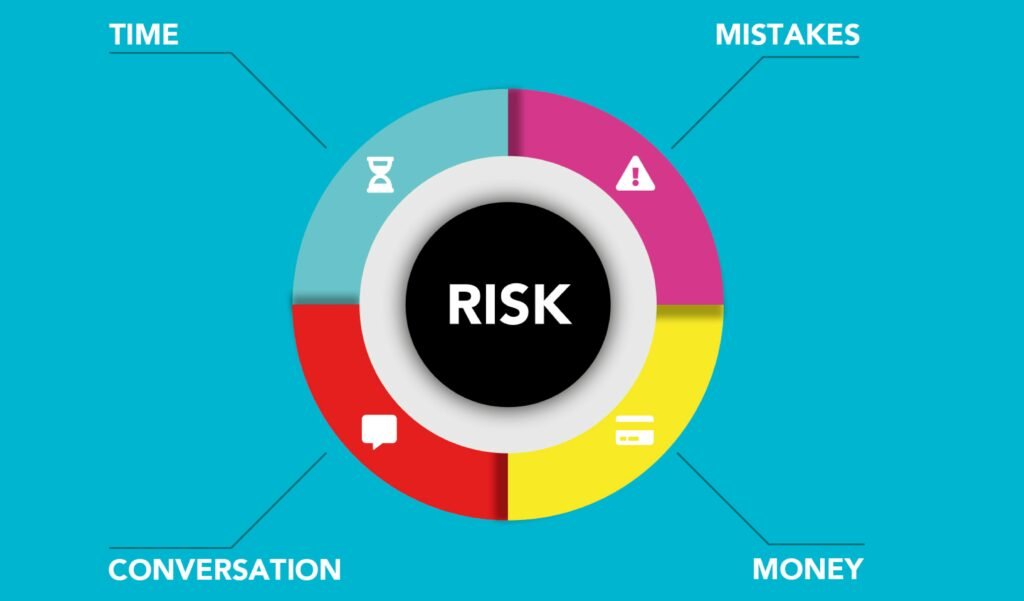
Bhai, affiliate marketing for AI tools isn’t all sunshine. You need to be smart about the risks.
- The “Shut Down” Risk: AI startups can disappear overnight. To protect yourself, never rely on just one tool. Diversify your portfolio.
- The “Price Change” Risk: Startups often change their affiliate terms once they get enough users. Keep a close eye on your dashboard. If a company drops their commission from 30% to 10%, it might be time to find a new “Primary” tool to promote.
Part 6: Psychological Triggers That Force the Sale

Why do people buy? It’s rarely about the features; it’s about the Emotions.
- Fear of Being Left Behind (FOMO): “Your competitors are already using AI to cut their costs by 50%. If you don’t start today, you’ll be out of business by 2027.”
- The Desire for Freedom: “Stop spending your weekends editing videos. Let this AI do it for you so you can spend time with your family.”
- The “Ease” Factor: People are lazy. Highlight how many “clicks” it takes to get the result. “Three clicks and your entire monthly budget is done.”
Part 7: The “Road to $2,000” Math (The Reality Check)
Let’s get the calculator out. How do we actually hit that $2,000 target on danijacob.com?
- High-Ticket AI Tool (e.g., AI Business Automation): $150/month.
- Commission (25% Recurring): $37.50 per user.
- Target: $2,000 / $37.50 = 54 Active Users.
Think about that. You don’t need millions of visitors. You only need to convince 54 people that this tool will save their business. That is one sale every week for a year. That is 100% doable.
Complete Course Watch Here
Is AI just a bubble that will burst?
Some tools are bubbles, but the technology is as real as the internet was in 1995. The companies that solve real problems will be the giants of the next decade.
Do I need to be a “Tech Genius” to promote AI?
Absolutely not. In fact, it’s better if you aren’t. Your readers are regular people. If you can explain a complex AI tool in simple, “human” language, you are more valuable than any engineer.
How do I handle negative reviews?
Embrace them! If a tool sucks at one thing, say it. It makes your praise for the other things 10x more believable.
Final Thoughts: The Future is Yours
The AI wave is hitting the shore right now. You can either be the person who gets swept away, or you can be the person who builds a “Commission Machine” on the beach. Affiliate marketing for AI tools is the ultimate leverage. It combines high tech with high human trust.
Also Read : Selling Digital Products On Pinterest